
About
Home » Artificial Intelligence & Data Science.
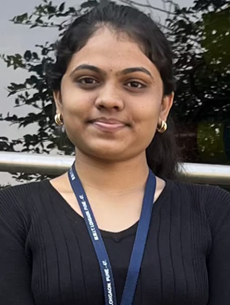
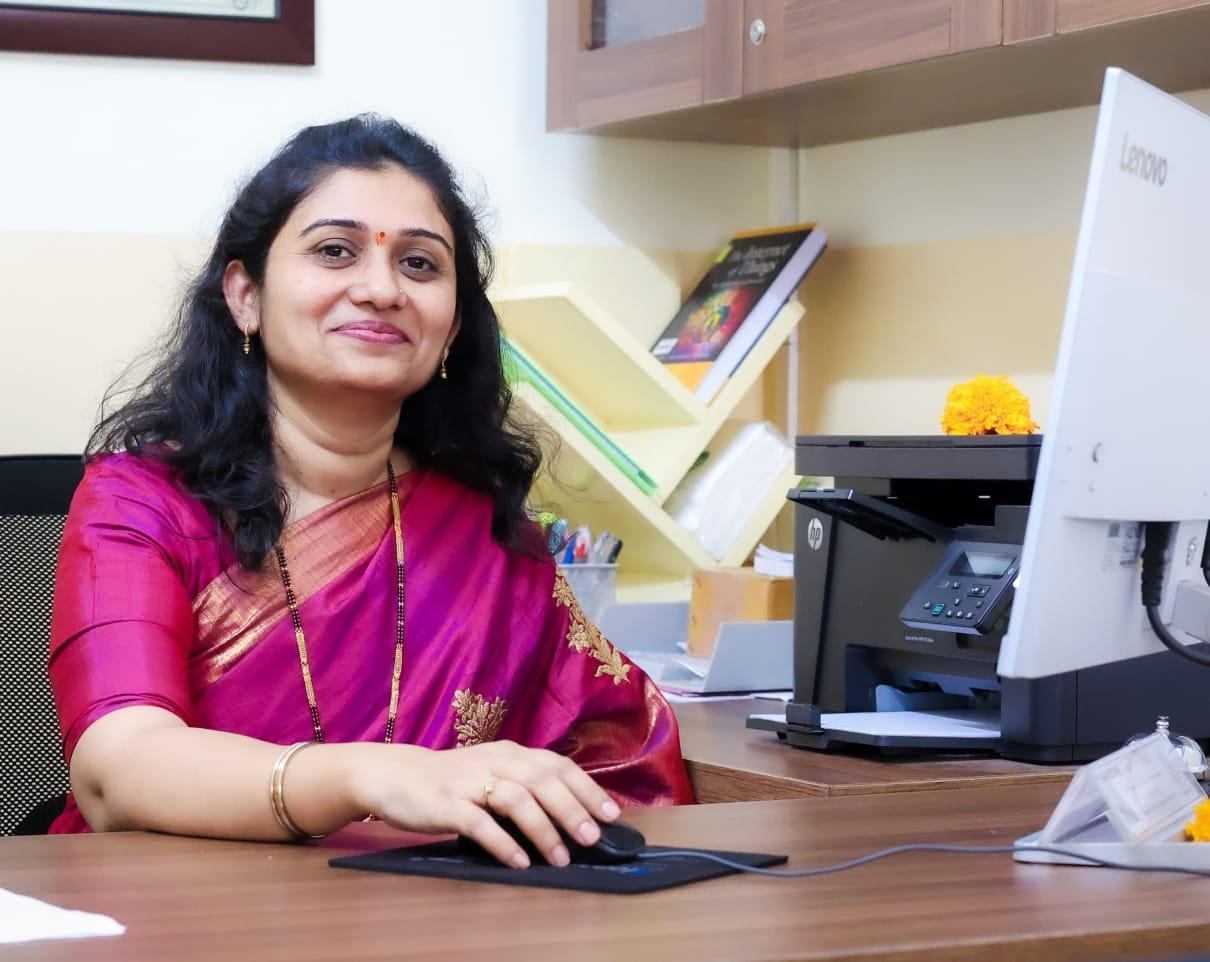
Dr. Jyoti Yogesh Deshmukh
Head of the Department
The department of Artificial Intelligence and Data Science (AI and DS) is established in the Academic Year 2021-2022. This is a 4-year degree course approved by AICTE, New Delhi under Savitribai Phule Pune University (SPPU).
AI is an interdisciplinary science with multiple approaches to build smart machines capable of performing tasks that typically require human intelligence. Data Science (DS) is an umbrella term for a group of fields that are used to analyze large datasets.
The curriculum of AI and DS is includes core subjects of Computer Engineering with skills like Math & Statistics, Domain and/or Business Knowledge, Big Data & Visualization etc
The department is offering undergraduate programme with an intake of 120. The department is well equipped with 6 laboratories having highly configured i7 processor machines as per the requirement of an innovative era of artificial intelligence and machine learning. Self-motivated, strong and high performing faculty are engaged in mentoring students and guiding them to realise their potential and become good ambassadors of the department and in turn institute.
AI & DS domain is considered one of the most lucrative jobs in the industry right now. With numerous openings spanning across all sectors, data science jobs are showing only the signs of growth.
VISION
“Excellence in the field of Artificial Intelligence and Data science”
MISSION
- To encourage the students for learning various Al & DS based tools & techniques
- To groom students technologically superior
- To train students in a way to meet the needs of society
Program Educational Objectives: (PEOs)
-
Engineering Graduates will be able to:
PEO1: To be capable of solving emerging challenges of society and working with multidisciplinary projects in Artificial Intelligence. - PEO2: To apply analytical skills, decision making skills, leadership skills to solve real world problems.
- PEO3: To prepare graduates for life-long learning to exhibit professional & societal responsibility.
Program Outcomes (POs)
-
PO1 – Engineering Knowledge: Students will be able to apply knowledge of mathematics, natural science, computing, engineering fundamentals, and engineering specialization to develop solutions for complex engineering problems. -
PO2 – Problem Analysis: Students will be able to identify, formulate, review research literature, and analyze complex engineering problems to reach substantiated conclusions with consideration for sustainable development. -
PO3 – Design/Development of Solutions: Students will be able to design creative solutions for complex engineering problems and develop systems, components, or processes considering public health, safety, society, culture, environment, and sustainability. -
PO4 – Conduct Investigations of Complex Problems: Students will be able to conduct investigations of complex engineering problems using research-based knowledge, experiments, modelling, analysis, and interpretation of data to provide valid conclusions. -
PO5 – Engineering Tool Usage: Students will be able to create, select, and apply appropriate techniques, resources, and modern engineering and IT tools, including prediction and modelling, while understanding their limitations. -
PO6 – The Engineer and The World: Students will be able to analyze and evaluate societal, environmental, economic, health, safety, legal, and cultural aspects while solving complex engineering problems for sustainable development. -
PO7 – Ethics: Students will be able to apply ethical principles, professional ethics, human values, diversity, inclusion, and adhere to national and international laws in engineering practice. -
PO8 – Individual and Collaborative Team Work: Students will be able to function effectively as an individual and as a member or leader in diverse and multidisciplinary teams. -
PO9 – Communication: Students will be able to communicate effectively and inclusively with the engineering community and society through reports, design documentation, and effective presentations considering cultural and language differences. -
PO10 – Project Management and Finance: Students will be able to apply engineering management principles and economic decision-making in individual work, teamwork, and multidisciplinary project management. -
PO11 – Life-Long Learning: Students will be able to recognize the need for independent and life-long learning, adapt to emerging technologies, and apply critical thinking in the context of technological change.
Programme Specific Outcomes (PSOs)
- PSO1: The ability to understand, analyze and develop computer programs in Artificial Intelligence and Data Science to fulfill the educational, industrial and societal needs
- PSO2: The ability to employ modern computer languages, environments and platforms to pursue a career in the IT industry.